Wondering if Armonk feels too quiet, too far, or just right? If you are considering a move to Northern Westchester, Armonk often stands out because it blends a country-like setting with a real town center and an active community calendar. This guide will help you understand daily life in Armonk, from commuting and errands to parks, dining, and the overall vibe, so you can decide whether it fits the way you want to live. Let’s dive in.
Armonk at a glance
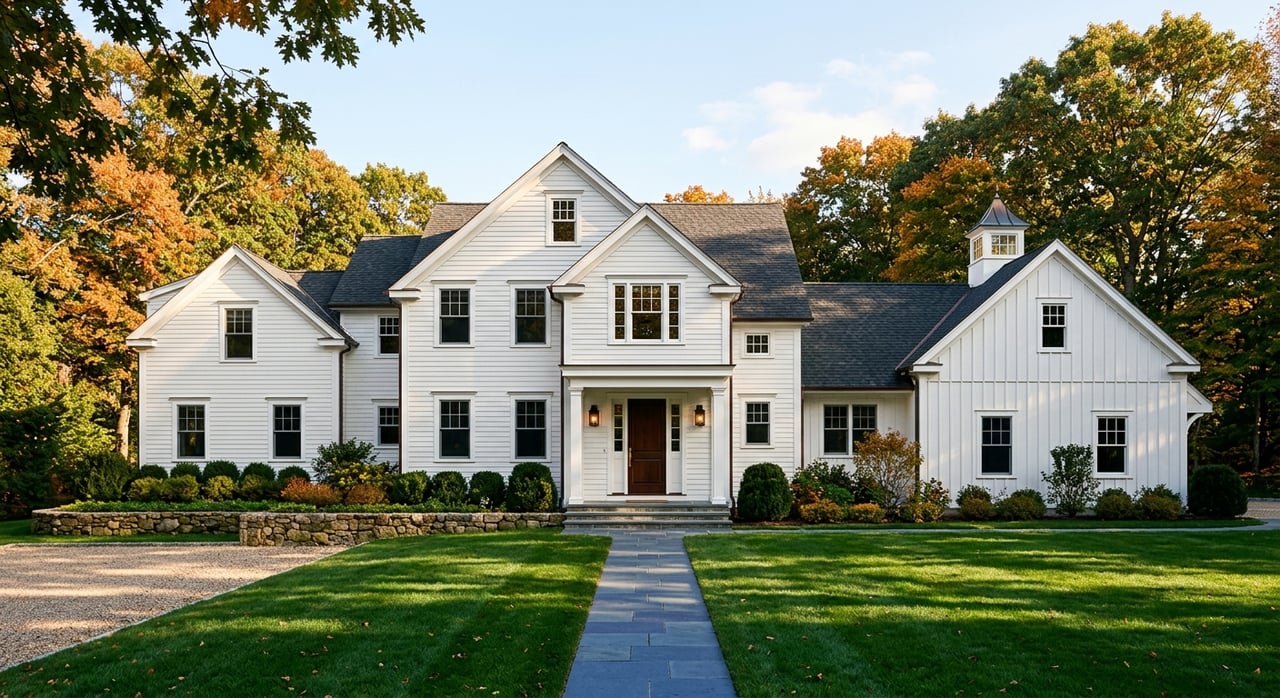
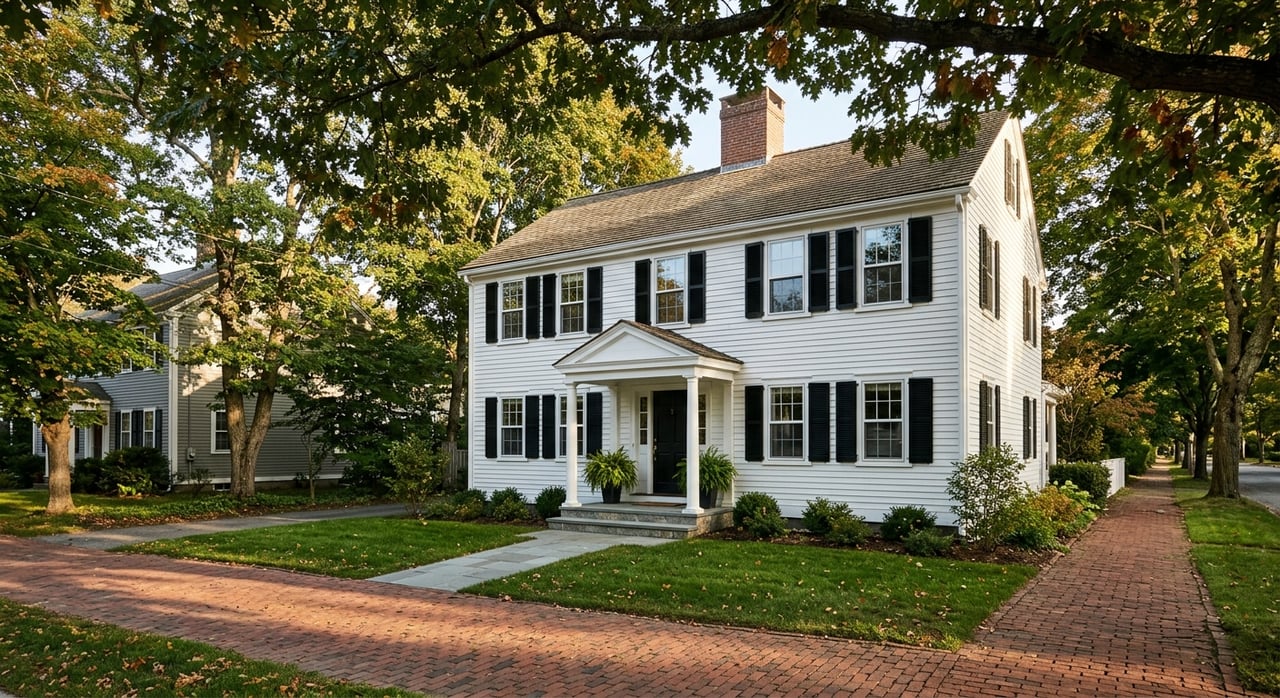
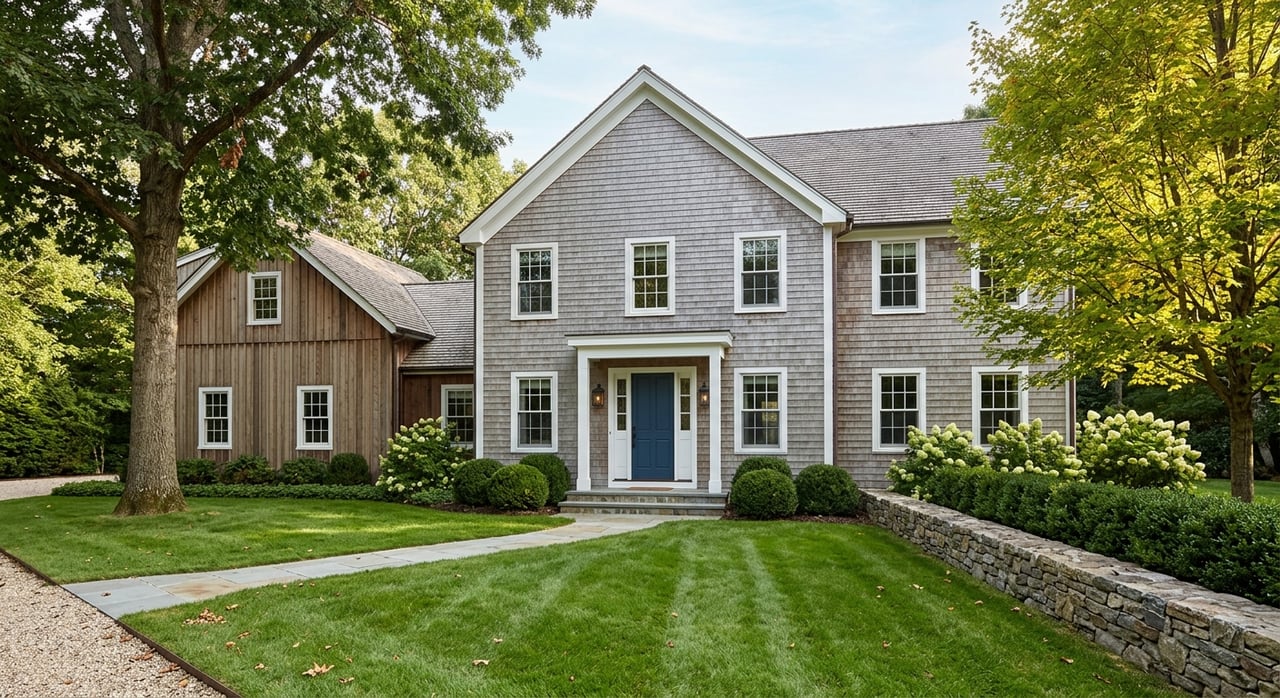
Armonk is a hamlet in the Town of North Castle, a 26-square-mile municipality about 35 miles from New York City. It is known for rolling hills, woodlands, and a business district that gives the hamlet a clear center rather than a purely residential feel.
That balance is a big part of Armonk’s appeal. You get a more relaxed, green setting, but you also have Main Street and Armonk Square for everyday convenience. Armonk Square, added in 2013, includes retail, offices, residences, and a supermarket tenant, which helps anchor local life.
Daily life in Armonk
Life in Armonk tends to feel organized around short drives, familiar routines, and a town center you can use often. Instead of depending on a train station in the middle of town, many residents move through the day by car, with local stops for coffee, groceries, dining, and services.
That creates a rhythm that feels practical and manageable. You can run errands close to home, grab a meal in town, and still connect to regional transit when needed. For many buyers, that mix feels like a good middle ground between rural and highly urbanized suburbs.
Errands are easy to manage
Armonk’s village center supports many of the basics you need during the week. DeCicco & Sons offers groceries, deli items, prepared foods, coffee, and other food-service options, and Armonk Square adds businesses like Fortina, Tazza Cafe, Chase Bank, Holmes of Armonk, and Lilies and Lace.
The local restaurant mix also adds convenience. Options listed by local sources include Beehive Restaurant, Armonk Country Kitchen, Zero Otto Nove, Gavi, Amore, Casa Tequila, and Meraki Taverna. That means you can cover a lot of everyday life without leaving the hamlet.
Commuting takes some planning
Armonk is not a classic train village, so commuting here usually means driving or using a transfer. For rail access, North White Plains on the Harlem Line is a practical nearby option, and the station is accessible and equipped with ticket machines.
North Castle also provides resident-only commuter parking at Fisher Lane in North White Plains. In addition, Bee-Line Route 12 connects Armonk with White Plains, Westchester County Airport, and Purchase, which gives you another route for regional transit and errands.
If you are moving from a place where the train is right in town, this is an important lifestyle detail. Armonk offers access, but not the same train-at-your-door experience you find in some nearby communities.
Parks and recreation in Armonk
One of the strongest parts of life in Armonk is how easy it is to stay connected to outdoor space. North Castle Parks and Recreation maintains nearly 350 acres of parkland, giving residents a wide range of options for walking, sports, and time outside.
This outdoor access supports the hamlet’s country-leaning identity. Even when your week is busy, it is easy to find places that feel calm and open.
Popular parks and open space
North Castle Community Park includes a walking and running track, tennis courts, soccer and baseball fields, a playground, and a picnic pavilion. It serves as a flexible, everyday recreation spot for a range of activities.
Wampus Brook Park offers a different pace, with a gazebo bandstand, brook, waterfowl, and sitting areas. Betsy Sluder Nature Preserve adds a more natural setting with 70 acres used for hiking, birding, and nature observation.
Together, these spaces help shape what living in Armonk feels like. You are never far from places that support exercise, downtime, and informal community life.
Community life and local events
Armonk may be small, but it has a notably active community calendar. That helps the hamlet feel more connected and engaged than buyers sometimes expect from a wooded, low-density area.
The Chamber’s calendar includes Music in the Square, Summer Concerts at the Gazebo, Memorial Day service, the Fol-de-Rol Festival, spring performances by the Armonk Players, the Cider and Donut Festival, Halloween on Main, Veteran’s Day Memorial Service, and Frosty Day and Parade.
The library is a true community hub
The North Castle Public Library’s Armonk Branch is another important part of local life. It offers programs for adults, teens, and children, along with e-books, audiobooks, magazines, movies, music, and museum passes.
The Friends of the North Castle Public Library also support many programs, films, and classes for the Armonk and North White Plains branches. They also sponsor the Armonk Players and the Armonk Outdoor Art Show, which adds even more cultural activity to the area.
Signature events add identity
The Armonk Outdoor Art Show is one of the hamlet’s signature annual events. It has ranked among the Top 10 fine art and design shows in the nation for decades, and net proceeds support the North Castle Public Library and the Armonk Players.
Events like this help give Armonk a stronger sense of place. For residents, that can make the town feel active and memorable throughout the year, not just convenient.
Schools and town services
For many buyers, the Byram Hills Central School District is one of the most important anchors in Armonk. The district office is in Armonk, and its four schools on Armonk addresses are Coman Hill Elementary, Wampus Elementary, H.C. Crittenden Middle School, and Byram Hills High School.
Even beyond the school system, town services add to daily quality of life. North Castle Parks and Recreation offers door-to-door transportation to the senior drop-in center and weekly grocery transportation for senior residents, showing that the town provides support across different life stages.
Dining in Armonk
Armonk’s dining scene is not huge, but it is broader than many people expect for a hamlet of its size. You can comfortably spend a full day in town, starting with coffee or breakfast and ending with dinner, without feeling limited.
Local and regional sources highlight Tazza Cafe for breakfast and coffee, The Beehive for brunch, and dinner options like Fortina, Gavi, Casa Tequila, and Amore. The Chamber directory adds more casual and sit-down choices, including Zero Otto Nove and Meraki Taverna.
That is part of the town’s appeal. The food scene is practical enough for everyday living, while still giving you a few good options for meeting friends or planning a relaxed night out.
How Armonk compares nearby
If you are deciding among Northern Westchester towns, Armonk helps to think about in comparison. It sits in a middle ground that many buyers find appealing.
Pleasantville is more clearly walkable and train-oriented. Chappaqua is also more train-centric, with direct Harlem Line access in town. Mount Kisco has a larger and more commercially varied downtown, while Bedford feels more spread out and pastoral with multiple hamlet centers.
Where Armonk fits best
Armonk offers more of a village-center feel than a purely residential hamlet, but it is less compact and less rail-focused than the strongest train-village options nearby. That makes it a strong fit if you want a town center and community events without giving up a quieter, more wooded setting.
In simple terms, Armonk often appeals to buyers who want balance. It feels established, convenient, and community-driven, but not overly busy.
Who tends to love living in Armonk
Armonk can be a great fit if you value a suburban setting with greenery, local services, and a recognizable town center. It may especially appeal to people who want day-to-day convenience, access to parks and community events, and a lifestyle that feels a bit more tucked away.
It may also suit you if you do not mind a car-based routine. If your priority is stepping to a train in the center of town, you may want to compare Armonk carefully with places like Pleasantville or Chappaqua.
Final thoughts on living in Armonk
Armonk offers a lifestyle that feels both grounded and polished. You get wooded surroundings, useful local shopping and dining, strong community infrastructure, and an events calendar that keeps the hamlet feeling lively throughout the year.
For many buyers, that combination is exactly the draw. If you are looking for a Northern Westchester town with a country-leaning setting, an active center, and a practical everyday rhythm, Armonk is well worth a closer look.
If you are thinking about buying or selling in Armonk or nearby Northern Westchester towns, Harriet Libov can help you evaluate the lifestyle, the market, and the right next step for your move.
FAQs
What is Armonk, NY like for daily life?
- Armonk offers a country-like setting with a real town center, so daily life often includes short drives for errands, dining, services, and recreation close to home.
What is commuting from Armonk, NY like?
- Commuting from Armonk is usually car-and-transfer oriented, with nearby Harlem Line access at North White Plains and Bee-Line Route 12 connecting Armonk to White Plains, the county airport, and Purchase.
What parks and recreation options are in Armonk, NY?
- Armonk residents have access to North Castle Community Park, Wampus Brook Park, Betsy Sluder Nature Preserve, and nearly 350 acres of parkland maintained by North Castle Parks and Recreation.
What kinds of restaurants are in Armonk, NY?
- Armonk has a varied local dining mix that includes coffee, breakfast, brunch, casual meals, and dinner spots such as Tazza Cafe, The Beehive, Fortina, Gavi, Casa Tequila, Amore, Zero Otto Nove, and Meraki Taverna.
What community events take place in Armonk, NY?
- Armonk hosts recurring events including Music in the Square, Summer Concerts at the Gazebo, the Fol-de-Rol Festival, Halloween on Main, Frosty Day and Parade, and the Armonk Outdoor Art Show.
How does Armonk, NY compare to nearby Westchester towns?
- Armonk is generally less train-centric and less compactly walkable than Pleasantville or Chappaqua, less commercially varied than Mount Kisco, and more centered than the more spread-out hamlet structure of Bedford.