Trying to understand Bedford by looking at a map alone can leave you more confused than confident. Bedford is one town, but buyers usually talk about it through its three hamlets: Bedford Village, Bedford Hills, and Katonah. If you are comparing home styles, setting, and day-to-day feel, that local lens matters. This guide will help you understand how the hamlets differ, what kinds of housing you may find in each one, and how to think about Bedford more clearly as you search. Let’s dive in.
How Bedford Is Organized
Bedford is a 39.3-square-mile town in Northern Westchester made up of three unincorporated hamlets: Bedford Village, Bedford Hills, and Katonah. These hamlets are locally understood submarkets, not separate municipalities with fixed legal boundaries.
That distinction is useful when you are house hunting. A listing may be described by hamlet because it helps explain setting, style, and lifestyle, even though the town itself is Bedford.
The town’s planning framework focuses on strengthening hamlet centers while preserving historic and natural elements. Each hamlet also has its own park and its own library, which reinforces how distinct they can feel in everyday life.
Why The Hamlets Matter To Buyers
When you are choosing between Bedford homes, you are often choosing between very different living environments. One area may feel centered on a historic core, another may offer easier train access and a broader housing mix, and another may blend village life with arts and open space.
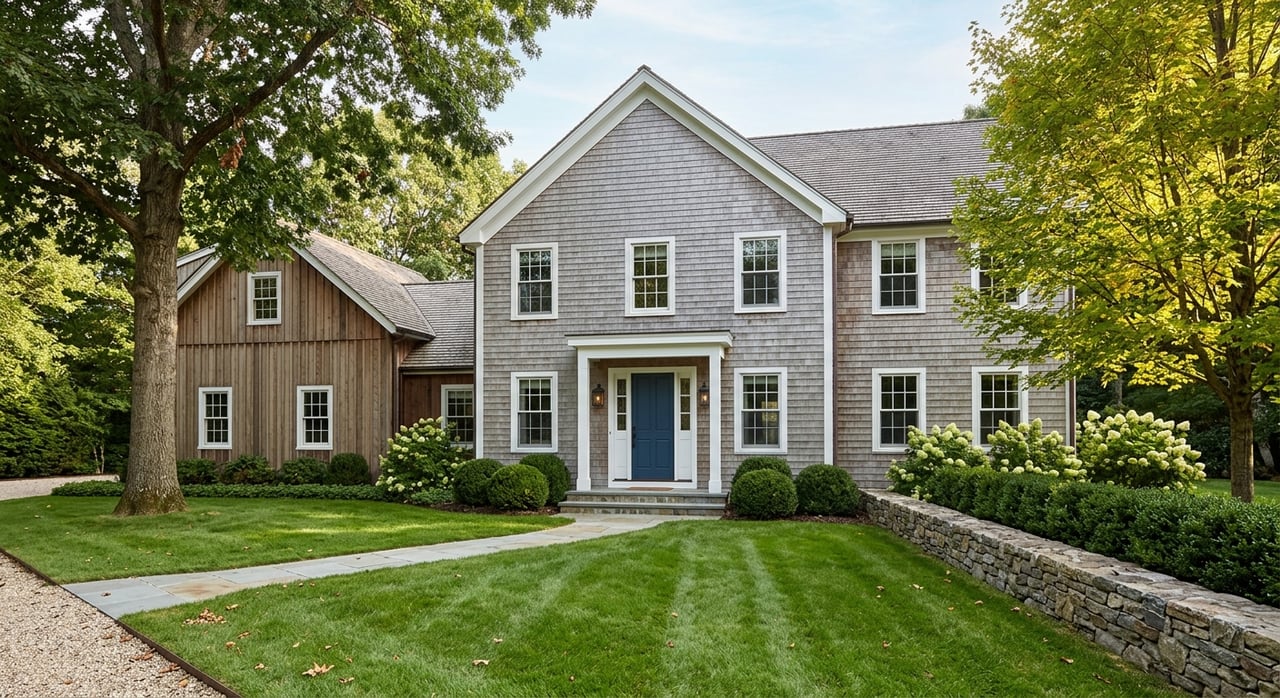
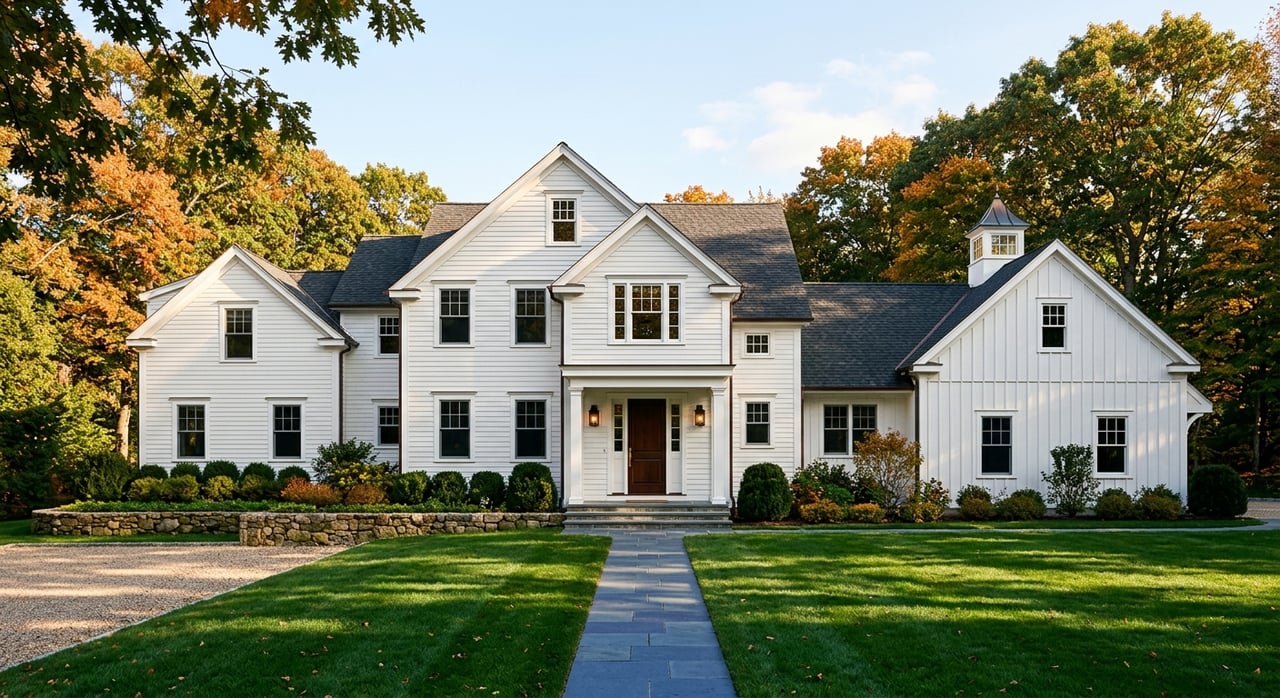
Bedford’s residential zoning helps explain that range. Town bulk regulations include minimum lot areas from 40,000 square feet to 4 acres, along with village-apartment and multifamily districts. In practical terms, that is why the same town can feel compact in one pocket and estate-like in another.
Bedford Village Housing And Character
Bedford Village At A Glance
Bedford Village is the town’s original 1680 settlement and the most clearly historic core in Bedford. The area is anchored by landmarks like the Village Green, the Old Burying Ground, and the 1787 Court House.
The historic-district description ties the area to Bedford’s founding and notes a mix of public and private buildings dating from the 1700s to the present. For many buyers, this is the hamlet that most strongly conveys a classic historic New England-style setting.
Bedford Village Home Styles
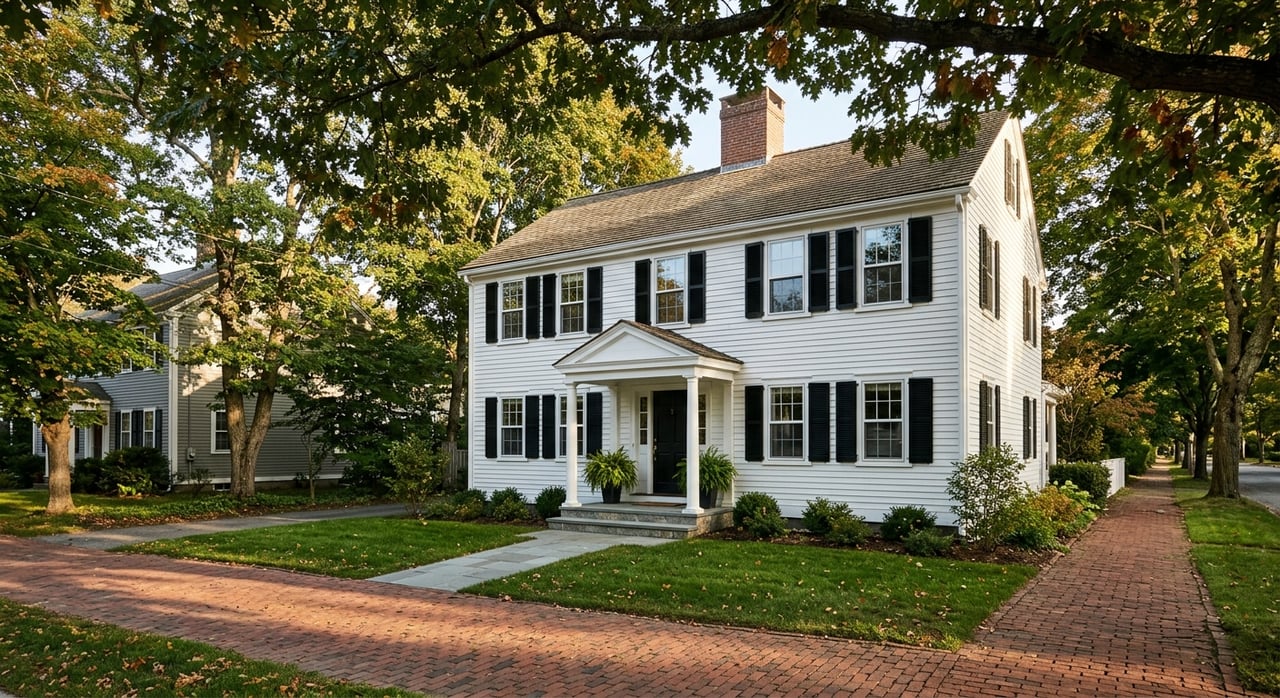
In Bedford Village, colonial influence is a major part of the visual identity. The town’s architectural survey notes that many properties in the Bedford Village Historic District reflect the Colonial style, while the broader town also includes Georgian and Adam/Federal examples.
The result is a housing environment where architecture often feels tied to Bedford’s earliest history. If you are drawn to period character, traditional facades, and a strong sense of continuity in the streetscape, Bedford Village often stands out.
Bedford Village Lot Feel
The center of Bedford Village feels relatively compact and preservation-focused. As you move away from the Green, the setting generally opens up, with more space and more estate-like surroundings.
That makes Bedford Village appealing to buyers who want either a more concentrated historic setting or a transition to larger, quieter properties while staying connected to the hamlet’s identity. The exact experience depends on where in the hamlet you are looking.
Bedford Village Amenities
The Bedford Village hamlet center includes the Bedford Village Library, Post Office, Fire Department, Bedford Historical Society, Bedford Playhouse, Bedford Village Elementary School, and Bedford Village Memorial Park. These uses help shape a daily rhythm that feels centered on the historic core.
The Bedford Historical Society also operates a museum at the 1787 Court House and preserves historic properties around the Green. For buyers who value a setting with visible local history, that can be a meaningful part of the appeal.
Bedford Village Historic Review
If you are considering a home in the historic district, it is important to understand that exterior changes are reviewed by the Bedford Village Historic District Review Commission. That does not make historic ownership harder by definition, but it does mean preservation rules may be part of your planning.
For some buyers, that review structure is a benefit because it helps protect the area’s historic character. For others, it is simply something to evaluate early before making an offer.
Bedford Hills Housing And Character
Bedford Hills At A Glance
Bedford Hills began as Bedford Station in the mid-19th century and grew into the town’s transportation and commercial center after the Civil War. Today, it remains the seat of town government and is home to the Town House, built in 1926.
The hamlet extends from the active business district around the railroad station to surrounding farms and estates along Harris, Babbitt, and Bedford Center Roads, and south along the Route 117 corridor toward Mount Kisco. That geography gives Bedford Hills a broad and varied feel.
Bedford Hills Housing Mix
Planning materials describe Bedford Hills as having the town’s widest housing mix. That includes apartment rentals, senior complexes, affordable units, multifamily buildings, and multi-acre estate properties.
For buyers, this usually means more housing forms and a wider range of price points within one hamlet. If your search is broad, or if you want options that range from lower-maintenance living to larger properties, Bedford Hills often deserves close attention.
Bedford Hills Lot Sizes And Setting
Bedford Hills tends to transition from a central hub to smaller-lot residential areas and then to larger estates of four or more acres. That progression can be helpful if you want to balance convenience with space.
You may find one part of the hamlet feels more connected to businesses and transit, while another feels much more residential or estate-oriented. It is one reason Bedford Hills can appeal to very different types of buyers.
Bedford Hills Amenities And Access
Key amenities include Bedford Hills Memorial Park, the Bedford Hills Community House, the Bedford Hills Historical Museum in the Town House, and the Bedford Hills train station. The Metro-North station is accessible with elevators from the Adams Street entrance, has ticket machines, and connects to Bee-Line service.
The hamlet’s business geography along Route 117 also links it to the Saw Mill River Parkway and I-684. If ease of movement is high on your list, Bedford Hills often offers the strongest transportation framework within Bedford.
Katonah Housing And Character
Katonah At A Glance
Katonah has one of the most distinctive origin stories in town. The hamlet was relocated in the late 1890s to make way for New York City watershed expansion and then rebuilt as a carefully planned Victorian-era community influenced by the Olmsted brothers.
The town describes it as a rare turn-of-the-century planned community. Most buildings in the historic district were built or moved between 1885 and 1910, which helps create a cohesive village character.
Katonah Home Styles
Katonah’s architectural identity is closely tied to late 19th- and early 20th-century design. The town’s architectural materials note that Queen Anne is common in many homes within the Katonah Historic District.
That gives parts of Katonah a noticeably different visual rhythm from Bedford Village. Buyers who like village-scale historic homes and a planned streetscape often respond to Katonah’s distinct style.
Katonah Lot Feel And Edges
Downtown Katonah includes commercial storefronts and upper-floor apartments. As you move away from the center, the setting transitions to larger plots, open vistas, dirt roads, and stone walls.
Town planning documents also note that residential neighborhoods extend west and south, while surrounding areas include major estates, horse farms, and preserved open space. In practical terms, Katonah can offer a fairly easy shift from village life to country surroundings.
Katonah Amenities And Culture
The Katonah hamlet center includes the Katonah Village Library, Katonah Memorial Park, Metro-North station and commuter lot, Post Office, Fire Department, and Katonah Elementary School. The station is accessible and has ticket machines.
The town also identifies Caramoor, the Katonah Museum of Art, and John Jay Homestead as signature local destinations. For buyers who want a historic village setting with a visible arts-and-culture presence, Katonah often stands out.
Katonah Historic Review
Like Bedford Village, Katonah has a historic district where exterior changes may be subject to review. If you are looking at a historic property here, it is smart to factor that into your decision-making early.
Bedford’s broader historic-preservation framework also covers selected properties outside the local districts. That is another reason local guidance can be helpful when you are narrowing options.
Comparing Bedford’s Three Hamlets
If you are trying to simplify your search, it helps to think of each hamlet by its strongest practical identity.
- Bedford Village: strongest historic core and preservation feel
- Bedford Hills: broadest housing diversity and commuter convenience
- Katonah: planned-village identity with arts, culture, and a gradual transition to larger-lot surroundings
These are practical buyer-focused inferences from the town’s descriptions, not legal classifications. Still, they are often a useful starting point when you are deciding where to spend the most time.
How To Narrow Your Search In Bedford
Before you tour too many homes, try to define the setting that fits you best. You may be happiest in a historic core, a mixed-use commuter location, or a village with country edges.
A few questions can help:
- Do you want the strongest historic setting?
- Do you want the widest range of housing options?
- Do you want easy train access to be central to your search?
- Do you prefer a compact village feel or more open land around you?
- Are you comfortable with possible historic-district review for exterior changes?
Once you answer those questions, Bedford starts to feel much easier to understand. Instead of searching one town in the abstract, you can focus on the hamlet that best matches your priorities.
If you are buying or selling in Bedford, understanding the hamlets is one of the clearest ways to make a smarter decision. The right fit often comes down to how you want your home, lot, and daily environment to feel, not just the address on paper. If you want help translating Bedford’s local nuances into a focused buying or selling strategy, Harriet Libov can guide you with practical insight and hands-on support.
FAQs
What are the three hamlets in Bedford, NY?
- Bedford is made up of three unincorporated hamlets: Bedford Village, Bedford Hills, and Katonah.
How is Bedford Village different from Bedford Hills?
- Bedford Village is most associated with a concentrated historic core and colonial-influenced character, while Bedford Hills is known for a broader housing mix, commercial center, and strong transportation access.
What makes Katonah unique within Bedford?
- Katonah is known for its late-1800s planned-village history, cohesive historic character, arts-and-culture destinations, and transition from village center to larger-lot and open-space settings.
Are Bedford hamlets separate municipalities?
- No. The hamlets are locally understood submarkets within the Town of Bedford, and they do not have fixed legal boundaries as separate municipalities.
What housing styles can you find in Bedford, NY?
- Bedford includes a wide range of housing environments, from colonial-influenced historic homes and village-scale Queen Anne houses to apartments, multifamily buildings, and multi-acre estate properties.
Do historic homes in Bedford have review requirements?
- Some do. Bedford Village and Katonah have historic district review commissions for exterior changes, and selected properties outside those districts may also fall under Bedford’s broader preservation framework.