Thinking about leaving the city but keeping your Manhattan commute manageable? Chappaqua often lands on that shortlist for a reason. If you are weighing train time, station access, parking, and the kind of day-to-day lifestyle you will actually live, this guide will help you focus on what matters most before you buy. Let’s dive in.
Why Chappaqua Works for NYC Commuters
Chappaqua is part of the Town of New Castle, and the town describes the area as largely residential with a central station area that serves as both a commuter hub and a commercial district. That matters because the train is not tucked away from daily life. It is woven into how many residents move through the hamlet.
For buyers coming from New York City, that can feel like a real shift in a good way. You get a suburban setting, but the station area still functions as an active civic center rather than just a place to park and leave.
Depot Plaza Park, right next to the station, helps reinforce that feel. Town planning documents note that it is used for events like Community Day, Memorial Day parade speeches, and the farmers market during the warmer months. In practical terms, the station area is part of everyday life in Chappaqua.
What the Train Commute Looks Like
The Chappaqua station sits on Metro-North’s Harlem Line between Pleasantville and Mount Kisco. For many buyers, the key question is simple: how long will the ride into Manhattan really take?
Based on the current Harlem Line timetable, Chappaqua is generally about a 50 to 60 minute ride to Grand Central, depending on the train you catch. That range is the right way to think about it when you are planning your routine. If you need to pin down a specific departure, the MTA advises checking TrainTime on the day you travel.
The station itself is accessible and set up for self-service commuting. It has elevators, tactile warning strips, audiovisual passenger information systems, and three ticket machines in the overpass. There is no ticket office, so buyers should expect a straightforward, app-and-machine-based routine rather than staffed ticketing.
Peak Travel Matters
Fare structure is an important part of the commute equation. Metro-North peak fares apply on weekday trains scheduled to arrive at NYC terminals between 6 a.m. and 10 a.m. and on weekday trains departing NYC terminals between 4 p.m. and 8 p.m. On Metro-North, weekday trains leaving Grand Central between 6 a.m. and 9 a.m. are also peak.
If you expect to commute regularly, that schedule can affect your monthly transportation budget. The MTA says monthly tickets are the best value if you commute three or more days per week.
Ticket Buying Tips
TrainTime is the MTA’s recommended way to buy railroad tickets. That can simplify your daily routine, especially if you are commuting often and want to avoid extra steps at the station.
It is also worth knowing that onboard one-way ticket purchases come with a surcharge unless you qualify for an exception. For most buyers, that means building a habit around buying in advance.
Station Parking Is a Real Buying Factor
If you are not planning to walk to the train, parking should be part of your home search from the start. In Chappaqua, station parking is managed by the Town of New Castle, and permit rules are specific.
A permit is required for all station spots except limited non-permit holder meter spots in Lot D. Lots A, B, and C do not allow non-permit parking. That means not every buyer will have the same flexibility depending on where they live and how they plan to get to the station.
Parking is free on weekends, listed holidays, and after 6 p.m. on weekdays. Overnight parking is limited to designated areas and requires a valid permit. The town’s parking materials also identify lot locations, meter payment machines, EV charging, and overnight-parking areas.
For a commuter, this is not background detail. It can shape where you want to live, how early you need to leave home, and whether a walk-to-train setup is worth prioritizing.
What to Ask Before You Buy
Before you make an offer, it helps to ask practical questions such as:
- Will you plan to walk, drive, or get dropped off at the station?
- If you plan to drive, what parking permit rules apply to your situation?
- How important is flexibility if you miss your usual train?
- Do you want a routine centered on the hamlet, or more privacy farther out?
These answers can influence not just your commute, but also your satisfaction with the home you choose.
Walk-to-Train vs More Residential Living
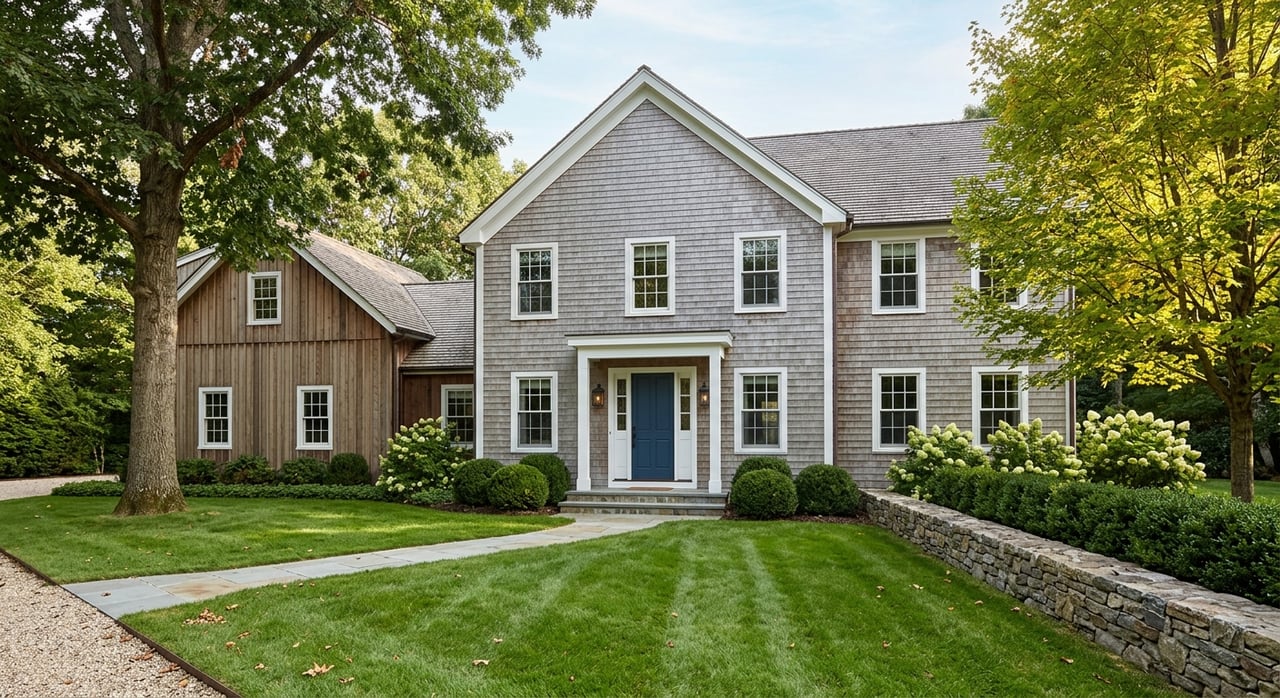
One of Chappaqua’s biggest strengths is that it offers more than one commuting lifestyle. Some buyers want to be close enough to walk to the train, grab coffee, and handle a few errands near downtown. Others want more space and are comfortable with a drive to the station.
Town documents describe the walkable station area as including businesses along South Greeley and Allen Place, plus Town Hall, the library, Recreation Field, and other public circulation routes. The station-adjacent downtown core also includes a multifamily area north of the bridge and a broader mix of restaurants and locally owned shops.
If your goal is a walk-to-train lifestyle, this is the part of Chappaqua to study closely. It offers the most direct connection between home, rail access, and daily convenience.
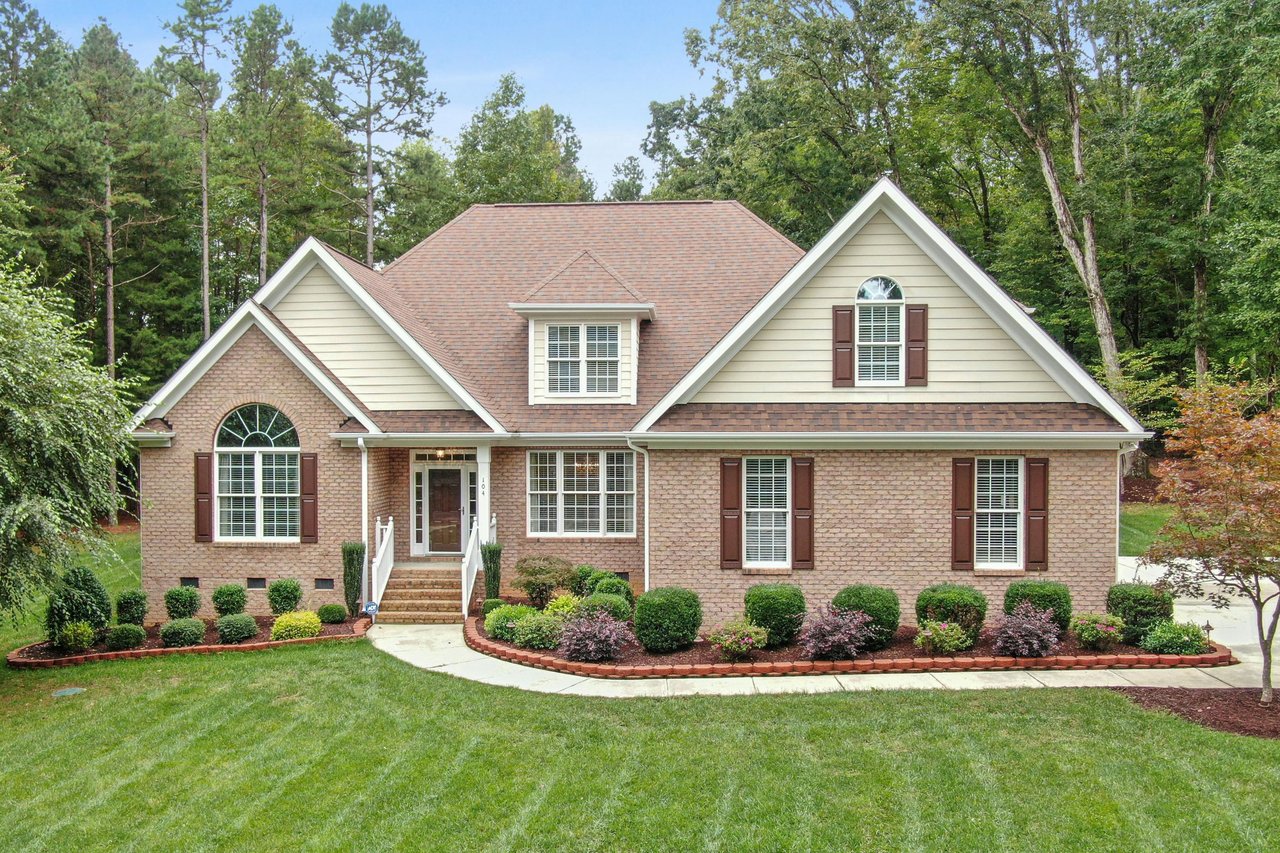
By contrast, the broader New Castle profile emphasizes a more residential and open-space-oriented character. That usually means buyers are trading easy station access for larger lots, more privacy, or a quieter setting away from the hamlet center.
How to Decide Which Setup Fits You
A simple way to think about it is this: do you want your home and commute to feel integrated, or more separated? Neither approach is better across the board. It depends on what makes your week easier.
A walk-to-train purchase may reduce dependence on parking permits and make your routine more predictable. A home farther from downtown may offer a different kind of lifestyle, with a stronger emphasis on space and privacy, but it usually requires more planning around station access.
The Station Area Is Not Static
Another useful point for buyers is that the area around the station is part of active civic planning. New Castle’s community materials describe 23 acres of town land surrounding the station, and town documents frame parking, pedestrian access, and future station-area changes as ongoing local issues.
That does not mean buyers should expect immediate transformation. It does mean the station district is an area where local planning and public discussion continue to shape how people move through the hamlet.
If station access is a major reason you are considering Chappaqua, it is smart to view the area not just as it looks today, but as a place the town continues to study and manage.
How Chappaqua Compares to Nearby Harlem Line Options
Many NYC buyers compare Chappaqua with other Harlem Line towns before making a move. Pleasantville, for example, is also described by the MTA as having a centrally located station near downtown and the weekly farmers market, with about a 50-minute ride to Grand Central. Mount Kisco also offers an accessible Harlem Line station with three ticket machines and no ticket office.
In practice, buyers often compare these towns based on the same three questions: how close can you live to the station, how much friction comes with parking, and how walkable the area feels around the train. Chappaqua belongs firmly in that conversation, especially for buyers who want a commuter-oriented hamlet with a strong civic center.
Smart Buying Priorities for Chappaqua Commuters
If you are starting your search, it helps to rank your priorities before touring homes. That keeps you from falling for a property that looks perfect online but adds stress to your weekly routine.
Focus on the basics first:
- Your realistic door-to-door commute time
- Whether you want walk-to-train access
- How parking rules may affect your routine
- How often you expect to travel during peak fare times
- Whether you prefer downtown convenience or a more residential setting
Once those pieces are clear, it becomes much easier to narrow the right part of Chappaqua for your lifestyle.
Why Local Guidance Matters
For many NYC buyers, Chappaqua looks simple on paper. There is a direct rail line, a recognizable downtown, and a strong commuter identity. But once you move from browsing to buying, the details matter a lot.
The difference between a smooth routine and a frustrating one often comes down to block-by-block context, parking strategy, and how your home location fits your actual weekday schedule. That is where local insight can make the process feel far more confident and far less trial-and-error.
If you are considering Chappaqua and want help weighing commute patterns, station access, and the right neighborhood fit for your goals, connect with Harriet Libov for thoughtful, local guidance.
FAQs
How long is the train ride from Chappaqua to Grand Central?
- Based on the current Harlem Line timetable, Chappaqua is generally about a 50 to 60 minute ride to Grand Central, depending on the departure you choose.
Does the Chappaqua train station have parking for buyers who drive?
- Yes, but parking is managed by the Town of New Castle and most spaces require a permit. Limited non-permit holder meter spots are available in Lot D.
Is the Chappaqua station good for daily commuting?
- The station is on Metro-North’s Harlem Line and includes accessible features, self-service ticket machines, elevators, tactile warning strips, and audiovisual passenger information systems.
Can you live in Chappaqua without driving to the station?
- Some buyers can, especially if they focus on the walkable station area near South Greeley, Allen Place, and the downtown core. Other homes in Chappaqua are more residential and may require a drive to the station.
Are Metro-North monthly tickets worth it for Chappaqua commuters?
- According to the MTA, monthly tickets are the best value if you commute three or more days per week.
What should NYC buyers compare when considering Chappaqua?
- The most useful factors are train time, station parking logistics, walkability near the station, and whether you want a downtown-oriented routine or a more private residential setting.