Picture yourself driving a wooded lane lined with stone walls, then arriving at a home that feels tucked into nature. In Pound Ridge, style and setting work together, so choosing Colonial, Contemporary, or Farmhouse is about more than looks. You want a house that fits the land, the light, and the way you live day to day. This guide helps you compare how each style lives on typical country parcels, what buyers prioritize, and what to inspect before you buy. Let’s dive in.
Pound Ridge setting
Pound Ridge is a semi-rural town known for privacy, mature trees, and larger lots. Parcels often run an acre or more with rolling topography, rock outcrops, and field edges. Many homes have private driveways, on-site septic systems, and private wells or shared well systems.
Topography, tree canopy, and wetlands influence where a house, driveway, and septic can go. That affects daylight, views, and costs. In some areas you will find natural gas, but oil, propane, or electric heating are also common. Confirm availability for each property.
Colonial style
How it fits the lot
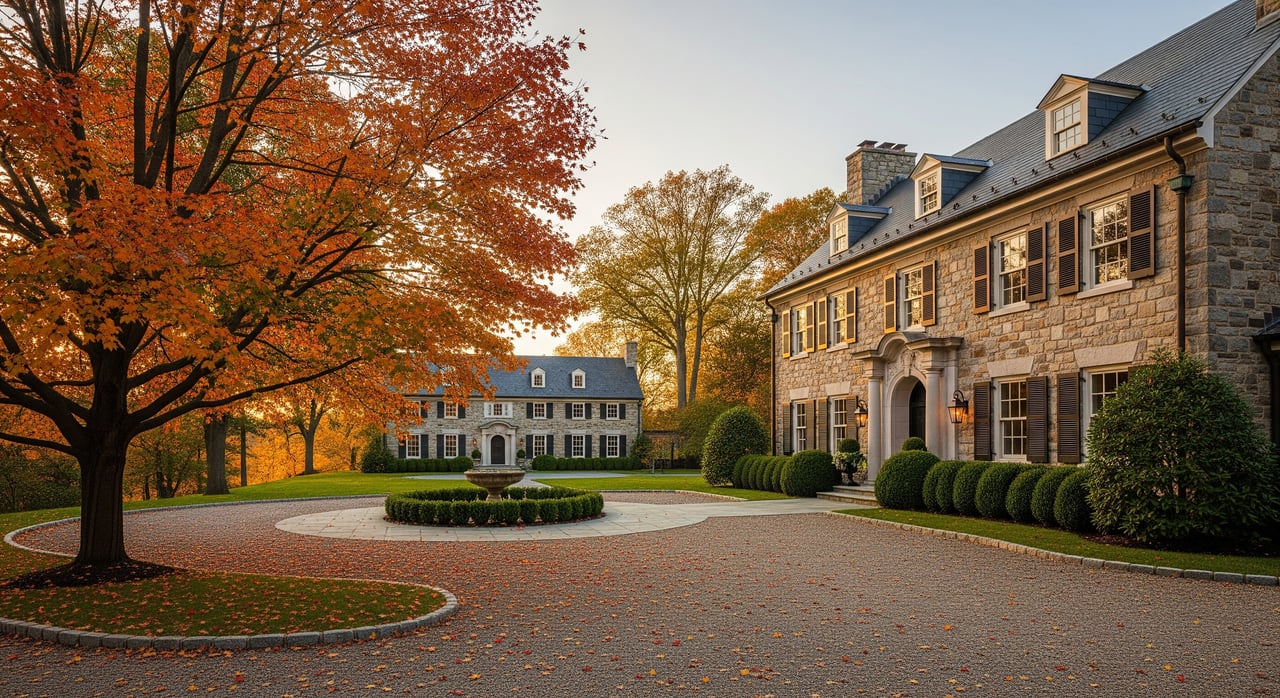
Colonials sit well on cleared lawns or meadow edges with classic approaches and stone walls. You often see a clear front yard for curb appeal and a rear terrace that opens to woods. Long private drives are common and work nicely with a formal facade.
What buyers value
- Authentic details such as wide moldings, old-growth floors, and fireplaces.
- Separate rooms that support formal entertaining, with flexible spaces for an office.
- A center-hall plan that feels timeless and easy to furnish.
Key maintenance and upgrades
- Regular exterior painting and wood-siding care in a Northeast climate.
- Insulation, HVAC, and window efficiency upgrades in older homes.
- Chimney and masonry upkeep due to freeze-thaw cycles.
Farmhouse style
How it fits the lot
Farmhouses feel right on meadow or edge sites with room for gardens and potential outbuildings. Porches offer sheltered outdoor living when the site is somewhat open. Larger lots give you space for a drive-court without crowding the house.
What buyers value
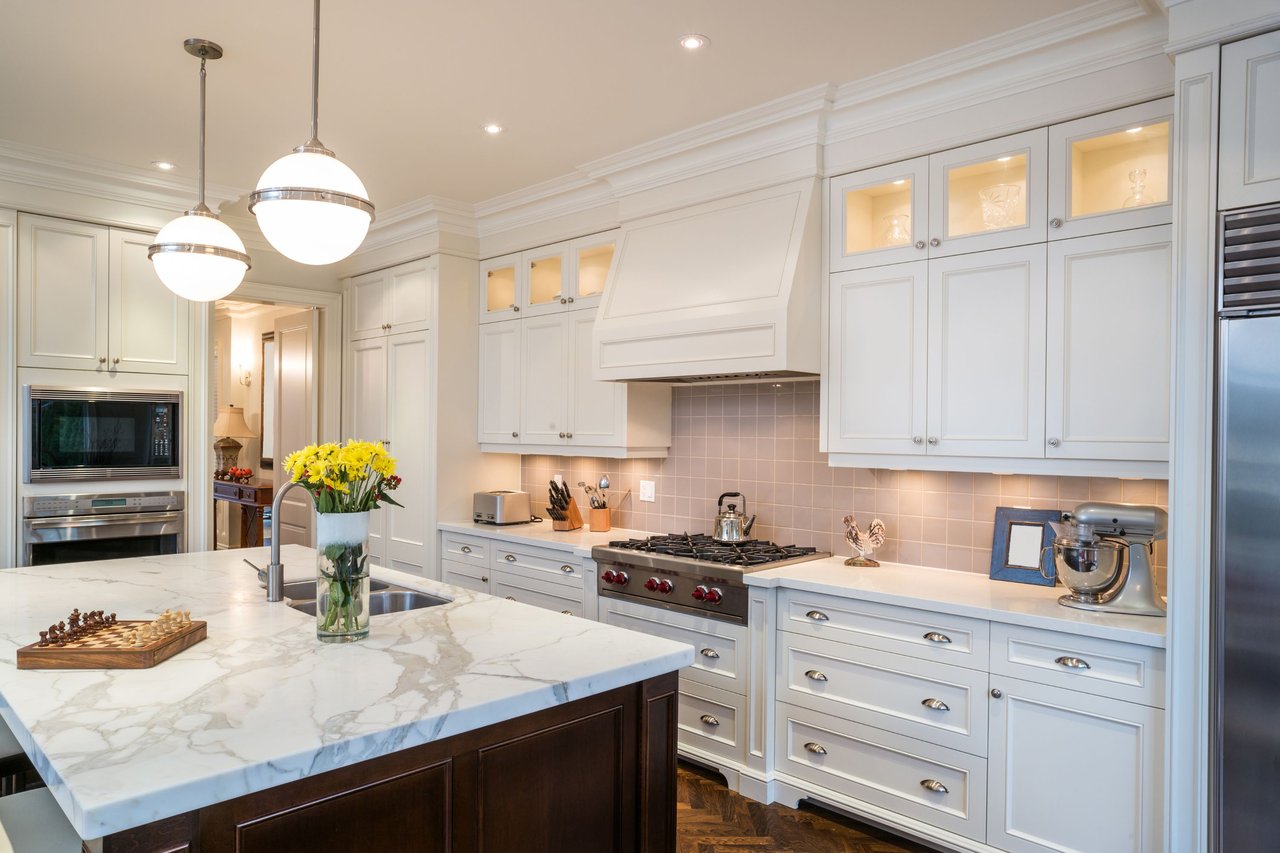
- Casual, family-friendly flow with large kitchens and keeping rooms.
- Functional mudrooms for gear, pets, and daily comings and goings.
- Rustic materials and easy indoor-outdoor connections.
Key maintenance and upgrades
- Ongoing care for porches and wood siding to protect from moisture and insects.
- Added structures or barn conversions typically require septic and stormwater review.
Contemporary style
How it fits the lot
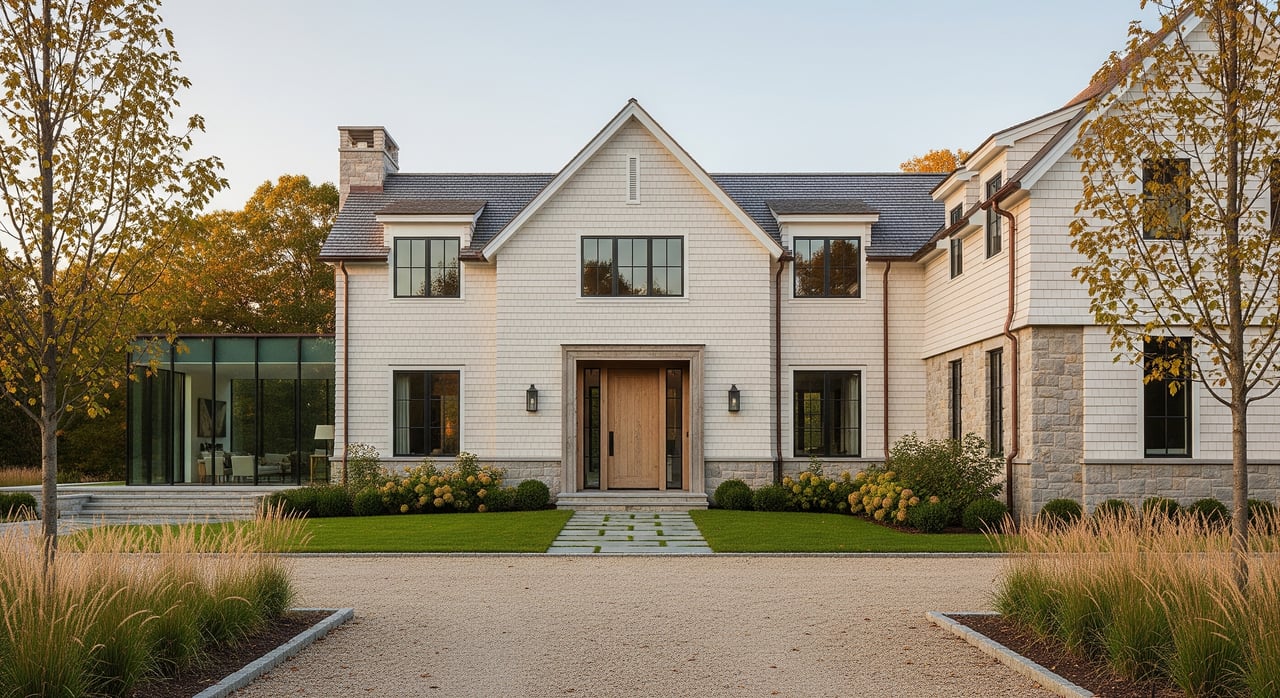
Contemporary homes are often site-sensitive and shine on sloped or wooded parcels. They use large glass areas to capture light and views while preserving privacy. Driveways can be sculpted to create a subtle arrival sequence.
What buyers value
- Natural light, landscape integration, and indoor-outdoor living.
- Energy performance with efficient glazing and well-insulated envelopes.
- Low visual impact with natural materials like stone and wood.
Key maintenance and upgrades
- Periodic seal checks for large windows and planning for higher replacement costs.
- Careful maintenance of flat or low-slope roofs to avoid leaks.
- Thoughtful HVAC integration in open plans, which can be costly if retrofitted.
Mid-century modern
How it fits the lot
Mid-century homes work well in wooded settings and often step down a slope. Post-and-beam structures frame views and minimize heavy grading. Many sit deeper into the lot for privacy, with longer approach drives.
What buyers value
- Architectural character and simple, open interiors.
- Strong connections to nature through glass and terraces.
- Modest footprints that live larger through layout.
Key maintenance and upgrades
- Roof and original glazing often need replacement after decades of service.
- Structural review for posts and careful water management on low-slope roofs.
- Sensitive upgrades to preserve character while improving energy performance.
Site factors that shape style
The land often decides what plan works best. On steeper lots, Contemporary or Mid-century designs can fit the grade and maximize sun. On open meadow parcels, Colonial or Farmhouse forms create classic curb appeal. Across styles, privacy, views, and septic feasibility often matter as much as architecture.
Country parcel checks
Septic and well systems
- Ask for septic permits, pumping and repair history, and leach-field inspections.
- Confirm there is a reasonable area for a future septic replacement or expansion.
- Test private well water for bacteria, nitrates, pH, and hardness, and review well depth and pump history.
Trees, storms, and drainage
- Mature trees add shade and privacy but can threaten roofs and lines in storms. An arborist assessment for large trees near structures is wise.
- Keep gutters, leaders, and grading working to move water away from the foundation and septic field.
Wetlands and watercourses
- Streams, swales, and wetlands are common and can be regulated. Understand mapped areas before planning additions or driveway moves.
Driveways and access
- Long drives need ongoing maintenance for drainage, culverts, and snow removal. Confirm who is responsible and whether there is a shared-road agreement.
Heating fuel and energy
- Verify fuel type and service history. Ask about insulation, window performance, and HVAC efficiency. Remote parcels may rely on oil or propane.
Pests and wildlife
- Plan for tick awareness and smart storage for garbage and wood to deter wildlife.
- Watch for carpenter insects and moisture-related siding issues.
Buyer checklist for Pound Ridge
Use this quick list as you evaluate homes across styles:
- Septic: Installation date, pumping history, repairs, and county records.
- Well: Water test results, well depth, pump age, and service logs.
- Roof and drainage: Roof age, any leak history, gutter condition, and site grading.
- Trees: Arborist report for large specimens near the house or drive.
- Wetlands: Any mapped areas or prior delineations on file.
- Driveway: Maintenance responsibilities, easements, and snow-plow arrangements.
- Utilities: Fuel type, last service dates, presence of a generator, and gas availability.
- Records: Permit history for additions and major work.
- Energy: Window age and type, insulation levels, and HVAC efficiency.
- Pests: Any known carpenter ant, termite, or rodent issues.
Renovation realities by style
- Colonial: Balance historic character with modern systems. Expect insulation, window retrofits, chimney work, and electrical or HVAC updates.
- Farmhouse: Budget for porch and siding care. Adding barns or accessory structures requires septic and site planning.
- Contemporary: Plan for specialist glazing and careful roof detailing. Integrate mechanicals early if you are opening the plan.
- Mid-century: Roofs, glazing, and moisture control are priorities. Work with pros who understand the details that define the era.
Who to call
When a property looks right, assemble a team that fits the parcel and the style:
- Town building and zoning officials for permits and setbacks.
- Westchester County Department of Health for septic and well records.
- Licensed home inspector experienced with rural and older properties.
- Septic designer or engineer to evaluate capacity and replacement area.
- Licensed well driller and certified water testing lab.
- Arborist for hazard and health assessments of large trees.
- Architect with historic preservation or site-sensitive modern expertise.
- General contractor familiar with rural site logistics and septic-well coordination.
- Environmental consultant if wetlands or stream impacts are possible.
How to choose your best fit
Start with the land and your lifestyle. If you want meadow views, a Colonial or Farmhouse may deliver classic presence with outdoor rooms and gardens. For wooded privacy, sloped sites, and sunlit interiors, a Contemporary or Mid-century plan can connect you to nature while managing grade and light.
As you compare homes, weigh the total cost of ownership. Septic and well conditions, tree management, driveway upkeep, and energy upgrades are all meaningful budget items. The right match will blend the architecture you love with a site that supports how you live year round.
Ready to explore Pound Ridge by style and parcel type, or to prep your home for the market with design-forward staging and strategy? Connect with Harriet Libov for guidance grounded in local expertise.
FAQs
What makes Pound Ridge different for home styles?
- Larger, wooded lots with private septic and wells mean style choices are shaped by topography, tree canopy, and access, not just curb appeal.
How do septic and well systems affect a purchase in Pound Ridge?
- They add inspection steps and long-term planning, including testing, permit records, and confirming space for future septic replacement.
What should I watch with Contemporary or Mid-century roofs and windows?
- Low-slope roofs need diligent maintenance, and large glass areas require periodic seal checks and may cost more to replace.
Are porches and wood siding high maintenance here?
- Yes, in a Northeast climate porches and wood cladding need routine painting, moisture protection, and periodic repairs to stay sound.
Who maintains long private driveways in Pound Ridge?
- Maintenance varies by property; confirm owner responsibilities, shared-road agreements, and snow removal plans before you buy.