Selling your home can feel like a lot to manage, even in a market that favors sellers. If you are planning a move in Chappaqua, you are probably thinking about timing, pricing, prep work, and what comes next after closing. The good news is that a smooth sale usually comes from smart sequencing, not last-minute scrambling. Let’s dive in.
Why timing matters in Chappaqua
Chappaqua is currently considered a seller’s market, with a median listing price of $1.6 million, 23 active for-sale listings, and a median 23 days on market as of May 2026. Listing prices were up year over year, while days on market were down. That creates opportunity, but it does not remove the need for careful planning.
The first few weeks on the market matter most. Realtor.com’s pricing research shows that the first two to four weeks often bring the strongest buyer attention, and homes that are priced well from the start tend to perform better than listings that begin too high and need reductions later. In a market like Chappaqua, strong early momentum can make a real difference.
Start planning before you list
Most sellers do not get a home ready overnight. Realtor.com reports that many recent sellers spent anywhere from two weeks to six months preparing, with about one-third taking one to three months. A realistic prep window depends on your home’s condition, your schedule, and how quickly you need to move.
If your goal is a smooth sale, give yourself enough time to work in the right order. That usually means handling the basics first, then repairs, then presentation, and finally launch. Rushing the process can create more stress and weaker results.
Begin with decluttering and cleaning
Before you spend money on updates, start by simplifying the space. Clearing extra furniture, packed closets, and personal items can help your home feel more open and easier to navigate during showings. It also makes later steps like staging and photography much easier.
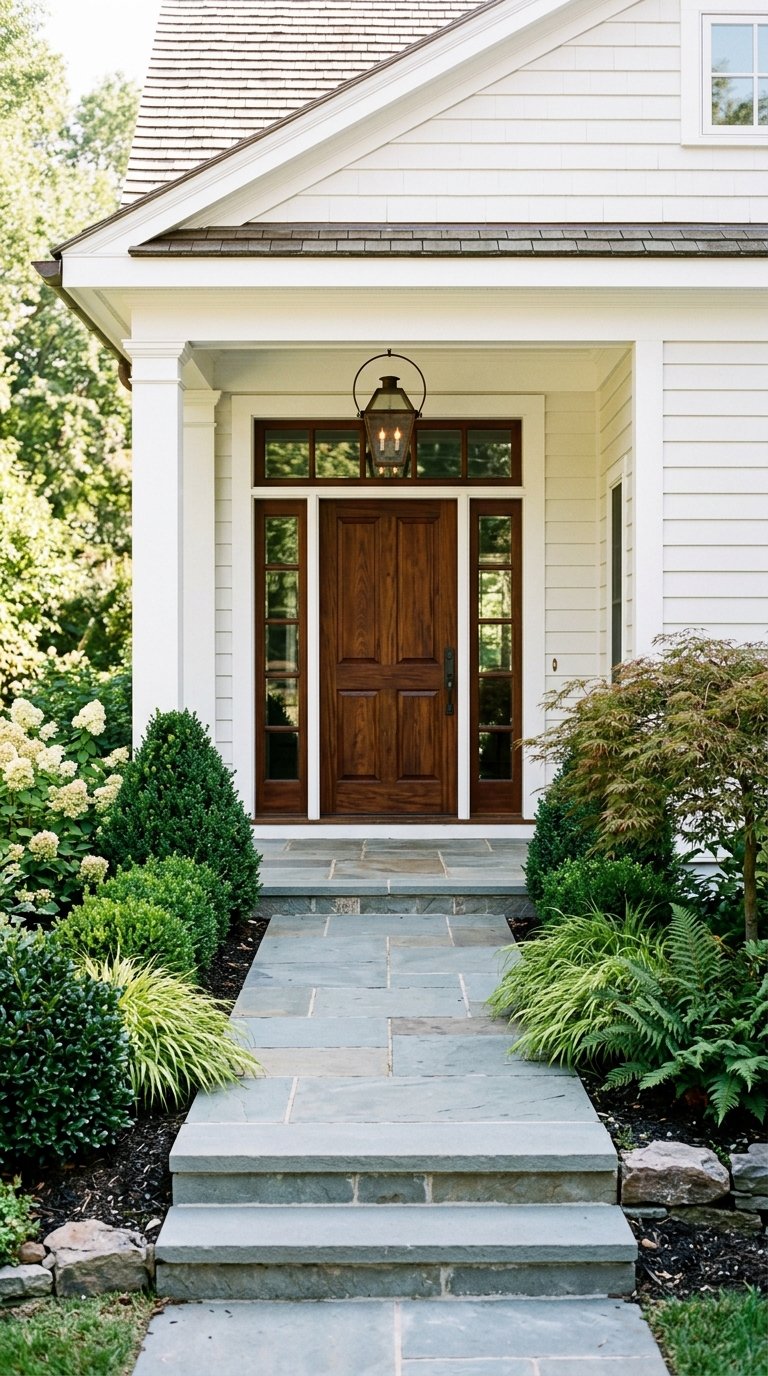
Deep cleaning matters too. National Association of Realtors guidance points to windows, carpets, lighting fixtures, and walls as worthwhile focus areas. Outside, curb appeal improvements like basic landscaping, a neat entry, and fresh paint touch-ups can help create a strong first impression.
Triage repairs early
Not every home needs major work before listing. In many cases, the best use of time and money is to identify the repairs that buyers are most likely to notice or raise during negotiations.
If your roof, HVAC system, or major appliances have issues, it helps to understand the likely cost, even if you decide not to fix them before listing. Buyers often factor those items into their offers. A pre-sale inspection is optional, but it can help uncover issues with structure, roofing, plumbing, electrical, heating and cooling, and certain health-related concerns before a buyer discovers them.
Gather documents now
A smoother closing often starts with better organization up front. If systems or appliances will stay with the home, locate manuals, warranties, and guarantees early. Having those details ready can save time later and make the handoff feel more seamless.
If your home was built before 1978, add lead-based paint disclosure planning to your checklist. Federal rules require sellers of most pre-1978 housing to provide known information about lead-based paint hazards before sale.
Understand New York disclosure basics
In New York, most residential one- to four-family home sellers must complete and deliver a Property Condition Disclosure Statement before the buyer signs a binding contract of sale. This form does not act as a warranty, and it does not replace the buyer’s inspection rights. It also does not prevent an as-is sale.
There are important exceptions. Condominiums and cooperative apartments are exempt from this disclosure form. If you are selling in Chappaqua, it helps to address disclosure requirements early so there are no surprises once an offer comes together.
Focus on presentation that supports value
You do not need a full renovation to make your home more market-ready. For many sellers, the most effective steps are decluttering, cleaning, improving curb appeal, and presenting key rooms well. This approach is often more practical and more efficient than taking on large remodeling projects right before listing.
Staging is worth considering as part of that plan. According to the National Association of Realtors’ 2025 home staging findings, 29% of agents said staging led to a 1% to 10% increase in the dollar value offered, and 49% of sellers’ agents said staging reduced time on market.
Stage key rooms first
Staging tends to be most effective when it helps buyers picture how the home lives. Buyers’ agents reported that staging made it easier for buyers to envision the property as their future residence. The rooms most often staged were the living room, primary bedroom, dining room, and kitchen.
This is one area where thoughtful guidance can really help. A tailored staging plan does not have to mean staging every room. It often means focusing attention where buyers tend to form the strongest impressions.
Get the order right
The order of operations matters. Declutter first, finish visible repairs next, then stage key spaces, then schedule photography and launch the listing. That sequence helps your marketing assets reflect the home at its best.
Photos, physical staging, video, and virtual tours all play a role in how buyers experience a listing. When your home is prepared before the camera comes out, your first impression online is usually much stronger.
Price for the market you have
Pricing is one of the most important decisions you will make. In Chappaqua, where current median days on market is 23, buyers are responding quickly to homes that feel aligned with the market. That does not mean pricing low. It means pricing strategically based on recent comparable sales, condition, and competition.
An aspirational number can be tempting, especially in a seller’s market. But if the price starts too high, the listing may lose momentum during the exact window when buyers are paying the most attention. A strong launch with a well-supported price often gives you the best chance to attract serious interest early.
Keep showings simple
Once your home goes live, flexibility becomes part of the strategy. Showings often cluster in the first day or first week, and they typically require 12 to 24 hours of notice. Most last about 15 to 30 minutes.
The easier it is for qualified buyers to see the home, the easier it is to build momentum. Restrictive showing rules can slow that process. If you can, make a plan in advance for pets, valuables, and daily routines so you are not solving those challenges on the fly.
Plan your move before you accept an offer
One of the biggest seller concerns is not the listing itself. It is what happens next. If you need to sell before your next home is ready, there are practical ways to bridge that gap.
Realtor.com’s seller timeline notes that about 30 days after closing is a common move-out period, though some sellers negotiate 45 or 60 days. A post-close occupancy agreement can also allow you to remain in the home after closing, either at no cost or for rent, depending on the terms negotiated.
Think through downsizing logistics
If you are downsizing or managing a life-stage move, start earlier than you think you need to. Sorting what to keep, move, donate, or store often takes longer than expected. Building that work into your sale timeline can reduce stress later.
You will also want to line up your practical transition steps before closing. That includes filing a change of address, contacting gas, electric, and water providers a few days before closing, and confirming your moving arrangements in advance.
Know the transfer tax conversation
For Chappaqua sellers, New York transfer tax should be part of the net proceeds discussion. New York imposes a real estate transfer tax of $2 for each $500 of consideration, which is effectively 0.4%. By default, that base transfer tax is paid by the seller.
For residential sales of $1 million or more, New York also imposes an additional 1% mansion tax. That tax is generally paid by the buyer. Outside New York City, Form TP-584 is filed with the county clerk where the property is located, and the form and payment are due no later than the 15th day after delivery of the deed.
What a smooth sale usually looks like
A smooth home sale is usually measured in months, not days. The prep phase can take a few weeks to several months, depending on the home and your move. After listing, Chappaqua’s current median days on market is 23, and the contract-to-closing period often adds another 30 to 45 days.
That is why preparation matters so much. When you price carefully, present the home well, stay flexible for showings, and think through your next move early, the process tends to feel much more manageable.
If you are preparing to sell in Chappaqua, the right support can make every step clearer, from pre-listing strategy to staging, marketing, negotiation, and move planning. To talk through your timeline and next steps, connect with Harriet Libov.
FAQs
How long does it usually take to sell a home in Chappaqua?
- The full process is often measured in months. Preparation can take anywhere from a few weeks to several months, Chappaqua’s current median days on market is 23, and closing often takes another 30 to 45 days after an accepted offer.
Do you need major renovations before selling a home in Chappaqua?
- Not usually. The strongest pre-sale steps are often decluttering, deep cleaning, curb appeal work, staging key rooms, and either fixing major issues or pricing with those issues in mind.
What disclosures do New York home sellers need to provide?
- For most one- to four-family homes in New York, sellers must complete and deliver the Property Condition Disclosure Statement before the buyer signs a binding contract of sale. Condominiums and co-ops are exempt from that form.
Is staging worth it for a Chappaqua home sale?
- It can be. National Association of Realtors data shows many agents see staging reduce time on market, and some report that it increases the dollar value buyers offer.
What taxes should Chappaqua sellers plan for at closing?
- New York’s base real estate transfer tax is 0.4% of the sale price and is generally paid by the seller. For residential sales of $1 million or more, the buyer typically pays an additional 1% mansion tax.
What if your next home is not ready after closing in Chappaqua?
- You may be able to negotiate extra move-out time or a post-close occupancy agreement, sometimes called a rent-back, so you have more time to transition to your next home.